Supporting Accessibility, Comfort, and Safety in Dental Care
- 17 October 2025
- Other
Supporting Accessibility, Comfort, and Safety in Dental Care
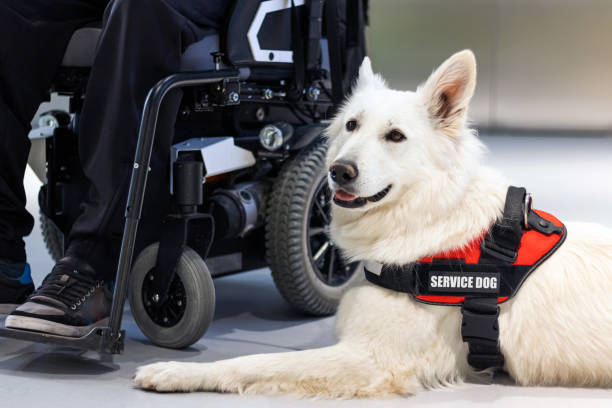
At Harley Dental, we’re passionate about making dental care accessible, inclusive, and comforting for every patient who walks through our doors — including those who rely on the support of an assistance or therapy dog.
For many people, visiting the dentist can cause feelings of anxiety or nervousness. For others living with disability, an assistance dog is more than a companion — they’re an essential part of daily life. That’s why it’s important for dental practices like ours to understand both the emotional and legal considerations of allowing animals into clinical environments, while maintaining the highest standards of infection prevention and safety.
Assistance Dogs: Essential Companions for Independence
Assistance dogs, also known as service dogs, are highly trained to help people living with a disability navigate the world more easily. Whether guiding someone with vision impairment, alerting a person with epilepsy before a seizure, or providing emotional stability, these incredible animals play a vital role in supporting independence and wellbeing.
Under the Commonwealth Disability Discrimination Act 1992, assistance dogs are legally recognised and are permitted to enter public and clinical spaces, including dental practices. They undergo rigorous training to meet strict standards of behaviour and hygiene, ensuring they can safely accompany their handler in a professional healthcare setting.
At Harley Dental, we’re proud to welcome assistance dogs as part of our commitment to accessibility and inclusivity. If you have an assistance dog, please let our friendly reception team know when booking your appointment so we can ensure both you and your dog are comfortable during your visit.
Therapy Dogs: Easing Dental Anxiety, the Gentle Way
For many patients, particularly children or those with dental anxiety, the presence of a therapy dog can make a world of difference. Therapy dogs are specially trained to offer emotional support and comfort during dental visits, helping to create a calm, reassuring environment.
While there’s growing interest in therapy dogs in healthcare, it’s still a relatively new concept in dentistry. The Australian College of Infection Prevention and Control (ACIPC) has developed comprehensive guidelines to ensure therapy dogs are managed safely in healthcare settings. These include:
-
Regular veterinary health checks and up-to-date vaccinations
-
Pre-visit grooming and parasite prevention
-
Clearly defined areas where animals are permitted
-
Strict hand hygiene protocols for all patients and staff who interact with the animal
At Harley Dental, patient safety is always our top priority. If therapy dogs are part of future initiatives in our clinics, they will be professionally trained, handled by qualified staff, and integrated under a robust infection control framework.
Infection Control and Safety: Our Non-Negotiables
While animals can bring emotional warmth to healthcare environments, there are important infection control considerations to manage. Dogs can occasionally carry bacteria such as Salmonella, Giardia, or Campylobacter, and even well-groomed dogs may shed hair or dander that can trigger allergies.
To keep our environment safe for everyone, dogs are not permitted in clinical treatment areas, sterilisation rooms, or food preparation spaces. We also ask that patients and staff practice good hand hygiene after any contact with an animal in the clinic.
Our policies are developed in line with national standards and the Dental Board of Australia’s infection control requirements, ensuring that we provide care that’s both compassionate and clinically responsible.
A Thoughtful and Inclusive Approach
Harley Dental’s philosophy has always been centred around people — building trust, reducing anxiety, and ensuring every patient feels safe and supported. By embracing evidence-based practices and recognising the important role that animals can play in patient wellbeing, we continue to deliver dental care that feels both human and heart-driven.
Whether it’s welcoming assistance dogs or exploring future opportunities for therapy animals, we remain committed to an approach that balances warmth with professionalism, and inclusivity with safety.
For more information on assistance dogs, visit Assistance Dogs Australia or Health Direct. To learn more about therapy animals, visit Therapy Animals Australia.